
Istanbul is one of the most fascinating cities in the world, but like every major tourist destination, it also has overpriced restaurants, unofficial guides, taxi scams and tourist traps waiting for uninformed visitors.
The good news is that most of these problems are easy to avoid when you know where to go, what to expect and how locals move around the city.
In this guide, we will explain the most common tourist traps in Istanbul and how you can enjoy the city safely, comfortably and efficiently with the help of licensed local professionals.
Be Careful With Taxi Scams:
One of the most common complaints from visitors in Istanbul is related to taxis. Especially around airports, cruise ports, Sultanahmet, Taksim and other major tourist areas, some taxi drivers may try to take advantage of tourists who are unfamiliar with the city.
A common issue is refusing to use the taximeter and demanding a fixed price instead. Some drivers may also intentional take longer routes to increase the fare, especially during heavy traffic hours when visitors are not familiar with the streets of Istanbul.
Another well-known scam involves banknotes. After receiving cash from tourists, dishonest drivers may quickly swap the original note with a lower-value one and claim that the passenger gave the wrong amount. This type of trick is commonly known among locals and unfortunately still happens in busy tourist areas.
Visitors should also be careful with unofficial taxis waiting near tourist attractions, ports or nightlife districts. Using official taxi apps or transportation arranged by licensed professionals is usually safer and more transparent.
Interestingly, taxi problems in Istanbul do not affect only tourists. Many local residents also complain that it is difficult to find taxis in crowded areas because some drivers prefer waiting for tourists, expecting higher fares and cash payments instead of short local rides.
For a safer and more comfortable experience, many visitors prefer using licensed local guides, private transfers or trusted transportation services during their stay in Istanbul.
Grand Bazaar Shopping Tips:
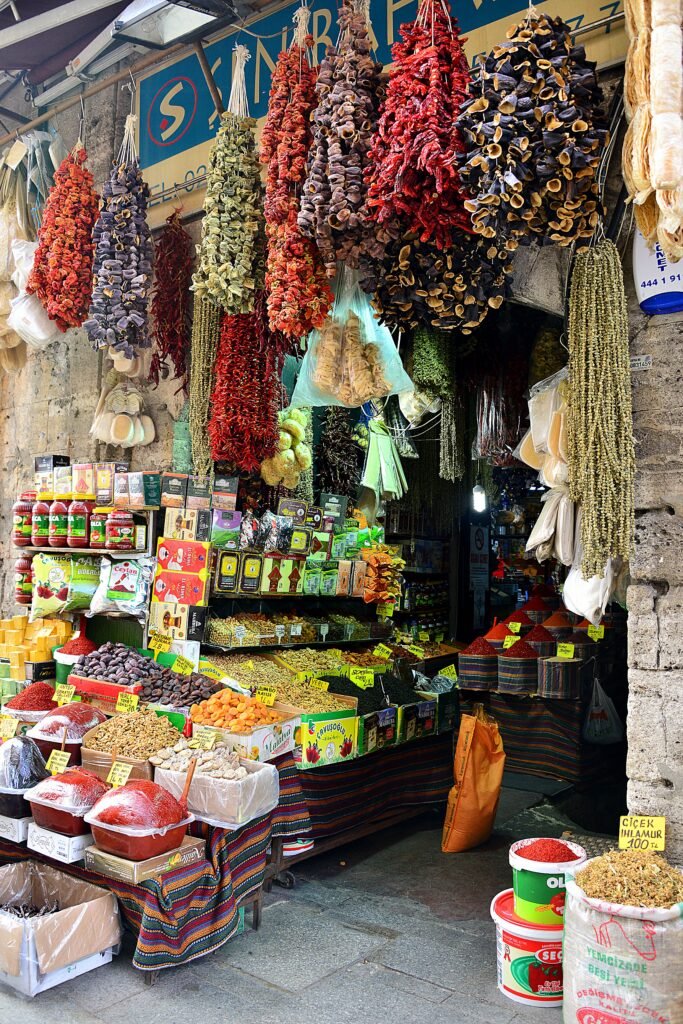
The Grand Bazaar is one of the oldest and most fascinating markets in the world. With thousands of shops, colorful streets, handmade products, carpets, lamps, ceramics, leather goods, spices and jewelry, it can feel like a maze designed to tempt visitors at every corner.
At the same time, shopping in the Grand Bazaar requires patience, attention and a little strategy. Prices are rarely fixed, bargaining is part of the culture and tourists often pay much more than locals if they accept the first offer immediately.
One of the most important rules is simple: never buy from the first shop you enter.
Many visitors make the mistake of purchasing the first carpet, lamp or souvenir they see because the atmosphere is exciting and sellers are very persuasive. However, similar products are often available in many different stores at completely different prices. Walking around, comparing quality and asking prices from several shops can make a very big difference.
Bargaining is expected in most stores inside the Grand Bazaar.
If a seller gives you a price immediately, that is usually the starting point of the negotiation, not the final price. Politely negotiating is considered normal and even part of the shopping experience. In many cases, sellers expect customers to negotiate and may reduce prices significantly after a short conversation.
Visitors should also be careful when sellers create pressure by saying things like “special price only for today,” “last piece,” or “my friend, this is very cheap for you.” These phrases are extremely common in tourist areas. A relaxed customer who takes time to compare prices usually gets better deals than someone who looks rushed or overly excited.
Another important point is payment.
Paying with credit card is convenient, but not always the safest option in every shop. Some visitors report unexpected extra charges, unclear currency conversions or suspicious transactions after using cards in small tourist stores. For expensive purchases, it is often safer to use reputable stores with clear invoices and official payment systems. Many experienced travelers prefer paying cash for smaller purchases after agreeing clearly on the final amount.
Checking online reviews before shopping can also help a lot. Stores with strong long-term reputations are generally more reliable than places aggressively trying to pull tourists inside. Some shops depend heavily on quick tourist sales and may prioritize pressure tactics over quality or honesty.
Another common mistake is buying fake branded products at unrealistic prices. Counterfeit bags, clothing and accessories are very common around tourist markets in Istanbul. Visitors should be realistic about quality and avoid assuming luxury-looking products are authentic.
Carpet shops deserve special attention as well.
Many carpet sellers are highly skilled salespeople and excellent storytellers. Visitors are often invited for tea and long conversations before prices are discussed. While this hospitality is part of Turkish culture, tourists should remember that these conversations are also part of the sales process. Handmade carpets can absolutely be valuable works of art, but prices vary enormously depending on quality, material, age and knot density. Comparing several stores before making an expensive purchase is strongly recommended.
Shipping arrangements should also be discussed carefully before buying large items. Always ask about delivery times, insurance, customs procedures and total shipping costs in writing.
One useful strategy is to visit the Grand Bazaar once without buying anything. Simply walk around, explore different sections, observe prices and understand the atmosphere. Returning later with more confidence usually leads to smarter decisions and a much better experience.
Despite all these warnings, the Grand Bazaar remains one of the most unforgettable places in Istanbul. Visitors who shop carefully, compare prices, negotiate politely and avoid rushed decisions usually enjoy both the market and the experience much more.
Cruise Port Tourist Traps:
Arriving in Istanbul by cruise ship is an exciting experience, especially when ships dock directly at Galataport in the heart of the city. However, like many major cruise destinations around the world, the area around the port can also be confusing for first-time visitors.
One of the most common problems cruise passengers face is unofficial transportation offers outside the port area. Some drivers or freelance sellers approach visitors with “special tours” or “cheap taxis,” but prices can quickly change during the ride. In some cases, passengers are taken on unnecessarily long routes or asked for extra cash payments at the end of the journey.
Taxi-related complaints are especially common during busy cruise days. Finding a regular taxi can become difficult because many drivers prefer short, high-paying tourist rides around Galataport instead of local passengers. Visitors should also be careful with unofficial taxis waiting near exits, restaurants or crowded streets around Karaköy and Tophane.
Another issue is time management. Istanbul traffic is unpredictable and many cruise passengers underestimate travel times between attractions. Missing the ship due to poor planning, heavy traffic or unrealistic itineraries is one of the biggest mistakes visitors can make during a short port stop.
Some travelers also experience pressure sales around the port area. Restaurants, souvenir shops and tour sellers near cruise terminals often target visitors who are unfamiliar with local prices. Menus without clear pricing, unexpected service charges and overpriced shopping are among the most frequent complaints mentioned by cruise travelers.
For this reason, many experienced visitors prefer exploring Istanbul with licensed local guides or trusted private tours. Professional guidance not only helps avoid tourist traps, but also allows travelers to understand the city more deeply, manage their limited port time efficiently and enjoy a safer, more comfortable experience.
Istanbul is an unforgettable city when explored correctly. A little preparation, realistic timing and reliable local support can make the difference between a stressful port day and an authentic Istanbul experience.
Why Licensed Guide Matter in Istanbul:
İstanbul is not a city that can truly be understood by simply walking through its streets with a map or following short social media videos. It is a city that served as the capital of three great empires — Roman, Byzantine and Ottoman — and every district, monument, neighborhood and even every street corner carries layers of history from different centuries.
A building that looks ordinary from the outside may hide stories of emperors, sultans, trade routes, religious conflicts, migrations or political transformations. Without proper explanation, many visitors only see walls, domes and crowded streets. With the right guide, the same places suddenly begin to make sense.
This is one of the main reasons why licensed guides matter so much in Istanbul.
In recent years, many visitors have unfortunately experienced problems with unofficial guides, self-proclaimed “local experts” or individuals working without professional qualifications. Some approach tourists near cruise ports, tourist attractions or popular squares offering cheap tours, shopping assistance or “special local experiences.” In many cases, visitors end up receiving incorrect historical information, wasting valuable time, being taken to overpriced shops or feeling pressured into unnecessary purchases.
A licensed guide is not simply someone who walks next to you and points at monuments.
Licensed guides in Turkey go through professional education, official examinations and legal certification processes. They are trained not only in history and culture, but also in communication, visitor management, logistics and local regulations. More importantly, they understand how to transform a crowded and complex city into an organized and meaningful experience.
Time management is another major advantage.
Istanbul is a massive metropolis spread across two continents with heavy traffic, complicated transportation networks and constantly changing conditions around popular attractions. Visitors who try to explore the city alone often spend unnecessary hours waiting in lines, getting lost, struggling with transportation or moving between places inefficiently.
An experienced licensed guide knows how to plan routes intelligently, avoid unnecessary delays and organize the day according to crowd conditions, prayer times, local events and transportation realities. This allows visitors to see more, understand more and enjoy the city with far less stress.
Safety and comfort also play an important role.
Like every major global destination, Istanbul has areas where tourists may encounter overpriced services, taxi scams, unofficial sellers or misleading information. A professional guide helps visitors navigate the city more confidently, explains local customs, assists with practical situations and reduces the risk of unpleasant experiences.
At the same time, a good guide helps visitors experience the real character of Istanbul beyond the standard tourist checklist.
Instead of only stopping for photographs, visitors begin to understand why neighborhoods like Balat, Galata, Kadıköy or Süleymaniye are important. They learn how the city evolved through centuries, how different communities lived together, how trade shaped daily life and why Istanbul still remains one of the most fascinating cultural crossroads in the world.
The difference is similar to watching a movie without subtitles versus fully understanding the story behind every scene.
Many travelers today arrive in Istanbul after reading blogs, watching videos or saving social media recommendations. While online information can be useful, it is often incomplete, outdated or focused only on popular trends rather than genuine cultural understanding. Istanbul changes constantly, and local experience still matters far more than algorithms.
A licensed local guide does not only show the city.
They help visitors read the city correctly.
And in a place as layered, emotional, chaotic and historic as Istanbul, that difference becomes unforgettable.